4th Africa Food Environment Research Network (FERN2026) Meeting | November 26, 27, and 28

Conference Theme - "From Knowing to Doing"
Scaling Food Environment Policies, Programs, and Interventions for Resilient, Equitable and Sustainable Food Systems in Africa
Announcements

In-Person Participation
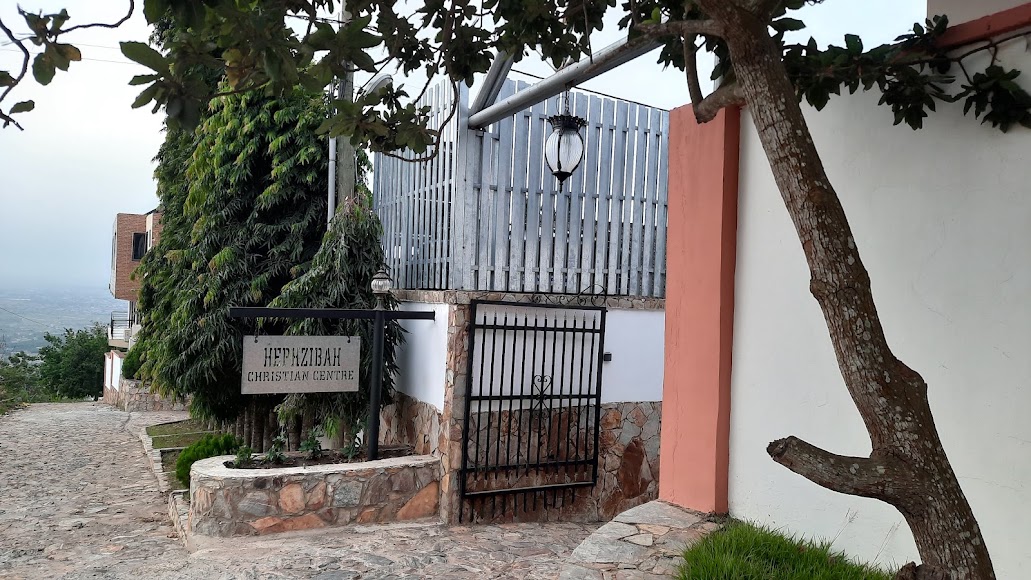
for the first time, FERN will be held in-person in Accra, Ghana

Virtual Participation
for people with travel constraints, FERN 2026 remains accessible through hybrid format

Call for Abstracts
opens on July 27th until September 1st 11:59 pm Ghana time

Abstract Acceptance Notification
on October 1st
via email- subject line "FERN2026 Abstract Outcome"

Deadline to Submit Presentations to the Conference
October 31st

Conference Registration
Open & FREE

Background

Africa is experiencing a rapidly evolving and deeply complex nutrition transition. Countries across the continent are simultaneously grappling with persistent undernutrition, widespread micronutrient deficiencies, and a rise in overweight, obesity, and diet-related non-communicable diseases (NCDs). These intersecting burdens are unfolding within a context of urbanization, climate change, food system globalization, and economic instability, amplifying vulnerabilities across populations.

Despite growing evidence and global commitments - including momentum from the UN Food Systems Summit (UNFSS), Africa remains off track to meeting key Sustainable Development Goals (SDGs), including goals related to hunger, health, and sustainable food systems. The challenge is no longer just about absence of evidence, but about operationalizing the evidence that exist - translating that evidence into effective, contextually relevant, and scalable policy action.

Since its inception, the Africa Food Environment Research Network (FERN) has played a pivotal role in advancing food environment research, policy monitoring, and capacity strengthening across the continent. Through its meetings, FERN has consistently spotlighted the role of research in informing food environment policy and practice. At FERN2020, participants were introduced to key INFORMAS modules, including the Food-EPI and Food Prices tools, and identified research priorities for the continent. FERN2021 partnered with INFORMAS Network to leverage the networks´ momentum to transform food systems, while FERN2023, in partnership with the Food-SAMSA project, focused on the identification, collation, and valorisation of Africa-led food environment research, policy, and practice. Over successive convenings, FERN has:

  • Contributed to building a critical mass of African researchers and practitioners who are working in the food environment space
  • Popularized and advanced application of tools such as INFORMAS Food-EPI
  • Elevated African-led evidence and policy discourse
  • Strengthened regional and global collaboration

However, critical questions and gaps remain to be addressed. For instance, how do we move from evidence generation to implementation at scale? Answers to such questions can be drawn from complementary initiatives that are already generating evidence and creating new opportunities for Africa.

Conference Objectives

To accelerate the translation of food environment evidence into scalable, equitable, and sustainable policy and practice across Africa. The specific objectives include:

Operationalize evidence

  • Identify pathways for translating research evidence into policy action
  • Showcase implementation science approaches for food environments

Advance implementation of the WHO Best Buys in African contexts

  • Showcase how the WHO Best Buys and recommended interventions can be adapted and implemented in LMIC urban settings
  • Identify barriers and enablers to implementation across Africa - Ghana, Kenya, Senegal, South Africa

Scale what works (scale effective interventions) 

  • Explore mechanisms of what works for whom and in which context for scaling interventions (including policies) across cities, countries, and regions

Strengthen policy and accountability systems

  • Strengthen the science-policy interface by fostering dialogue between researchers, policymakers, and implementers
  • Advance tools for policy design, monitoring, and accountability

Build capacity and leadership – of the next generation of leaders

  • Strengthen capacity of early-career researchers and advocates
  • Elevate adolescent-led innovation and storytelling in food systems transformation
Programme

Coming soon...

FERN2026 Speakers Lineup

Coming soon...

Conference Registration

FERN2026 warmly welcomes global participants from all countries, including those from equity-deserving groups, students, and professionals working across the sectors listed below:

  • Governments
  • Policymakers and regulators
  • Urban planners Civil society and advocacy groups
  • Youth organizations, youth leaders
  • Students and early-career researchers
  • UN agencies and development partners
  • Funders and donors
  • Private sector actors with unconflicted interests and activities for public health

Please enable JavaScript in your browser to complete this form.
Email
I want to be part of FERN network and I agree to receive frequent emails about FERN

Disclaimer

Pictures and video recordings will be taken during FERN2023 and posted publicly on the mealse4ncds project website and social media (Twitter, YouTube, and Facebook). By filling out this form, you understand that pictures/video recordings of yours might be featured on the project website and social media, and have agreed with the aforementioned.

Call for Abstracts

FERN2026 provides a platform to showcase a diverse range of scholarly, and practical contributions, including:

  • Original/Empirical Research: e.g. systematic reviews, trial designs, causal inferences, descriptive quantitative and qualitative studies, evaluations, case studies, and student theses.
  • Tested and Validated Methods: e.g. toolkits, guidelines, methods papers
  • Programmatic Application: reports with strong detail in routine practice or applications, implementation science reports

Submissions must be directed to one of the following tracks:

  • Track 1: From evidence to action: e.g., bridging research–policy–practice gaps, operationalizing WHO Best Buys, including physical activity
  • Track 2: Food environment interventions: e.g., implementing regulatory and fiscal policies (e.g., labeling, taxation, marketing restrictions, stories of progress), and leveraging city-level innovation.
  • Track 3: Food systems, climate, and sustainability: e.g., aligning food and nutrition actions, mitigation and adaptation/resilience efforts, sustainability.
  • Track 4: Equity, power, and food justice: e.g., addressing structural inequities, improving outcomes for equity-deserving groups, youth leadership, and community-driven change
  • Track 5: Policy and accountability: policy evaluation/monitoring approaches, impact assessment, advocacy or buying efforts, stakeholder mobilization, policy coherence
  • Track 6: Innovative methods: e.g., LLMs, forecasting, or simulation applicable to food environment research and practice

The conference welcomes submissions from all individuals, without discrimination , including:

  • Government officials
  • Policymakers and regulators
  • Urban planners, civil society, and advocacy groups
  • Youth organizations, youth leaders
  • Students and early-career researchers
  • UN agencies and development partners
  • Funders and donors Private sector actors with unconflicted interests and activities for public health

Important Dates

  • Call for papers opens on July 27th until September 1st at 11:59 pm Ghana time
  • Decision notification will be sent on October 1st
  • Final presentation must be submitted by October 31st

Submission outcomes include:

  • Acceptance for oral presentation
  • Acceptance for poster presentation
  • Encouraged to re-apply at the next conference

FERN highly recommends reviewing the Guidelines to ensure your submission is fully compliant.

FERN2026 Recordings

Official FERN 2026 proceedings and recordings will be published on  our YouTube channel. Archived proceedings from previous FERN conferences are accessible here

Social Media Toolkit

Coming soon...

Convenors

FERN: The Africa Food Environment Research Network is a networking and capacity-building initiative, funded by IDRC Canada, with the prime goal of encouraging and facilitating collaborative and novel food environment research and policy for healthier food environments in Africa.

The Generation-H Project: Generation-H is an implementation research initiative funded by the European Union (Horizon Europe) and UKRI under the Global Alliance for Chronic Diseases. The project is focused on reducing unhealthy diets and physical inactivity among adolescents (10–19 years) in urban settings in Ghana and Kenya by addressing the social and environmental determinants of non-communicable diseases (NCDs).

CCHeFS: The Catalyzing Change for Healthy and Sustainable Food Systems is co-funded by IDRC and the Rockefeller Foundation. The initiative aims to enhance the health of the most vulnerable populations by taking a food systems approach to improving the competitiveness of nutritious and sustainable foods in Africa, relative to unhealthy foods. We support Southern-led research and policy interventions that drive food-system changes to address malnutrition in all its forms.

INFORMAS: International Network for Food Environments Research, Monitoring and Action Support was established in 2012 to provide the standardised tools and network support needed to research and monitor policy relevant aspects of food environments. As a global network of public-interest organisations and researchers, INFORMAS has since 2013 monitored, benchmarked and supported public and private sector actions to create healthy food environments.

CIDIA -UCT – FoodSAMSA: FoodSAMSA was a three-year project that aimed to address malnutrition in all its forms, including undernutrition, micronutrient deficiencies, unhealthy diets and obesity, by assessing determinants and exploring interventions at the macro (policy), the meso (community) and micro (interpersonal) level. As part of the project, existing approaches for assessing and improving food environments to circumstances that are typical of countries facing a double burden of over- and undernutrition were adapted and implemented in South Africa; local capacity strengthened and regional networks expanded to support food environment and systems research and action across Sub-Saharan Africa.

more coming soon...


Funding Acknowledgment

FERN2026 is made possible through financial support from

AfriFOODlinks project

European Commission

The Catalyzing Change for Health and Sustainable Food Systems Initiatives (CCHeFS) which is jointly funded by the Rockefeller Foundation and Canada’s International Development Research Centre

Contact Information

Please do not hesitate to reach out with questions and concerns at dialogues@meals4ncds.org